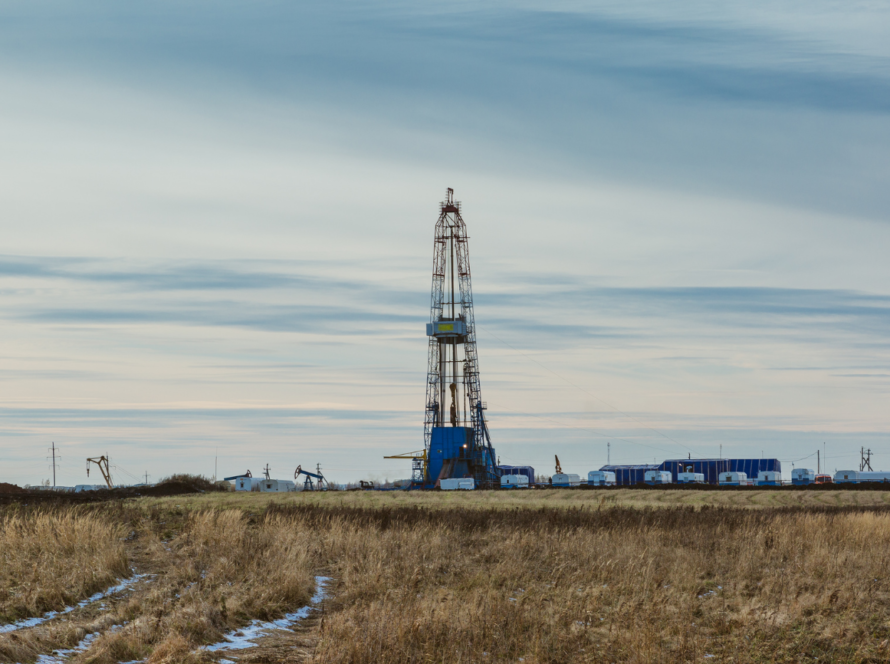
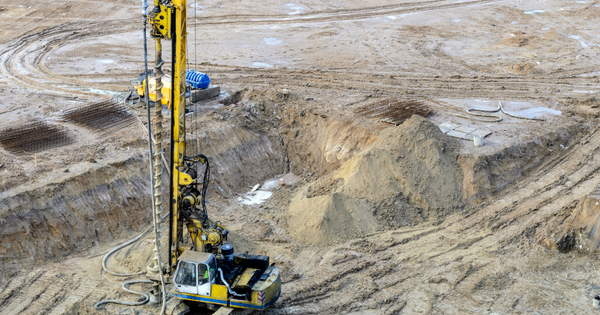
UAE gas development is becoming one of the most important areas of opportunity in the regional energy market. As the country continues to invest in gas self-sufficiency, LNG capacity, and unconventional resource development, drilling teams are being asked to support projects that require stronger planning, tighter coordination, and practical field execution.
For UAE operators, Abu Dhabi energy companies, gas developers, drilling contractors, and oilfield service teams, this creates a clear commercial priority. Gas-focused drilling support needs to be more than basic operational coverage. It needs to connect the well plan, pressure conditions, contractor readiness, cost control, and daily execution decisions.
Why UAE gas growth matters now
The UAE remains a major oil and natural gas producer and exporter, with oil and gas continuing to play a central role in the country’s energy system (International Energy Agency, n.d.). At the same time, the UAE is investing in long-term energy diversification through the UAE Energy Strategy 2050, which aims to triple the contribution of renewable energy and invest AED 150 to AED 200 billion by 2030 to meet rising energy demand and support economic growth (The United Arab Emirates’ Government Portal, 2024).
Gas development remains an important part of this broader energy picture. ADNOC Drilling states that ADNOC’s plans include increasing crude oil production capacity to 5 million barrels per day by 2027, achieving UAE gas self-sufficiency, and producing 1 billion cubic feet per day of unconventional gas (ADNOC Drilling, n.d.).
ADNOC’s Ruwais LNG project also adds timely context. ADNOC states that the project is being developed in Al Ruwais Industrial City, Abu Dhabi, with two LNG liquefaction trains and a total export capacity of 9.6 million metric tonnes per annum. ADNOC also states that the project will more than double its LNG production output and help meet growing global demand for natural gas (Abu Dhabi National Oil Company, n.d.).
This level of activity gives UAE gas projects a strategic role in both domestic energy priorities and global LNG demand.
Gas projects place different demands on drilling support
Gas wells can place different demands on drilling teams compared with simpler or more familiar well programs. Pressure behavior, wellbore stability, fluid strategy, cementing considerations, safety planning, and well control preparedness can all require careful review before and during field activity.
This does not mean every gas well is automatically high-risk or unusually complex. It means gas development often benefits from drilling support that is practical, coordinated, and able to work closely with the operator’s existing team.
For UAE operators and project teams, the value of drilling support is not just about having people available. The value is having experienced support that understands how field decisions affect cost, schedule, safety, and the final well outcome.
Pressure planning should start before the rig moves
Pressure management is one of the most important planning areas for gas-focused drilling programs. Before the rig starts turning, teams should have a clear view of expected pore pressure, fracture pressure, mud weight strategy, pressure uncertainty, and contingency options.
If these areas are not reviewed early enough, the project may have fewer options once field activity begins. Decisions about mud weight, casing points, well control readiness, managed pressure drilling, and fluid loss control are easier to evaluate when the team has time to plan.
For UAE gas wells, this is where early drilling support can help strengthen the planning process. The goal is not to make the project more complicated. The goal is to make sure pressure-related decisions are connected to the well plan, field conditions, equipment readiness, and execution strategy.
Contractor coordination becomes more important as activity grows
Gas development projects often involve many service providers and moving parts. Rig crews, directional drilling teams, mud companies, cementing providers, logging teams, pressure control specialists, construction support, trucking, safety personnel, and reporting systems may all need to work together.
When drilling activity is high, contractor coordination becomes a commercial issue. Service timing, equipment availability, handoffs, communication, and decision pathways can all affect the well schedule.
A strong drilling support partner helps the existing team keep those moving parts aligned. That may include reviewing readiness before mobilization, clarifying responsibilities, supporting daily coordination, and making sure the office and field teams have the information they need to make practical decisions.
Cost control depends on operational visibility
For UAE gas projects, cost control cannot rely only on the approved budget. The final cost of a well is shaped by drilling days, service readiness, pressure events, fluid performance, equipment timing, and the quality of daily decisions.
Operational visibility helps teams understand what is happening in the field and how it affects the budget. This includes daily field reporting, cost tracking, service performance review, and clear communication between office and field teams.
When drilling support is connected to the daily activity, it can help operators see whether cost movement is expected, avoidable, or tied to a change in scope. That type of visibility is especially useful for complex gas wells, unconventional gas programs, and multi-well campaigns.
Unconventional gas requires stronger technical review
Unconventional gas development can require a different level of technical and operational review. ADNOC Drilling notes that the discovery of 160 trillion standard cubic feet of recoverable unconventional gas resources offers the potential to support the UAE’s gas future, and it links planned drilling activity to unconventional gas production and gas self-sufficiency goals (ADNOC Drilling, n.d.).
For drilling teams, unconventional gas can require careful attention to well design, drilling fluids, pressure response, completion requirements, cost estimates, and lessons learned from previous wells. The goal is to build a drilling approach that matches the resource, the formation behavior, and the commercial objective.
This is where support from experienced drilling professionals can be valuable. They can help connect the technical plan with field execution and support better decisions before uncertainty becomes expensive.
Fluid strategy and LCM planning should not be left until losses happen
Gas wells can involve drilling conditions where fluid strategy, wellbore stability, and loss control need early attention. Lost circulation materials, mud system compatibility, seepage control, and pressure management should be part of the planning conversation when the well conditions call for it.
This is not only a technical issue. It is a commercial one. Fluid losses can affect rig time, mud cost, well control planning, cementing, and the drilling schedule. When LCM selection or mud strategy is reviewed late, the team may have fewer options and less time to respond.
For UAE gas drilling programs, early review of fluid strategy can help operators prepare more effectively before the well reaches a sensitive interval.
Drilling support should work with the existing team
A strong drilling support partner should not replace the operator’s internal team. UAE operators and energy companies already have asset knowledge, stakeholder context, internal processes, and commercial priorities.
The right support works beside that team. It adds practical drilling experience, technical review, project coordination, pressure planning, and field execution support where it creates value.
This matters because gas projects depend on trust and alignment. A partner that respects the operator’s structure can strengthen the project without creating confusion over authority or decision-making.
What UAE gas project teams should look for
When evaluating drilling support for UAE gas projects, operators should look beyond availability alone. The right partner should bring practical capability that supports both field execution and commercial control.
Key qualities include:
- Experience with complex drilling programs
- Practical pressure planning and well control awareness
- Ability to support contractor coordination
- Strong daily reporting and field communication
- Cost and schedule awareness during execution
- Drilling fluids and LCM understanding when relevant
- Support for construction and site readiness
- Ability to work with the existing operator team
- Practical post-well review and lessons learned discipline
- Flexible support for specific wells, campaigns, or project phases
These qualities help turn drilling support into a performance tool, not just an extra layer of manpower.
What this means for UAE operators and energy companies
UAE gas growth is creating demand for drilling support that is more integrated, practical, and commercially aware. As LNG, unconventional gas, and gas self-sufficiency goals continue to shape activity, operators need support that can connect planning with field reality.
For companies working across Abu Dhabi, Dubai, Sharjah, and the broader Middle East energy market, the strongest drilling support should help the team manage pressure considerations, coordinate contractors, review cost exposure, prepare for fluid-related challenges, and keep execution aligned with the well objective.
BOAX supports drilling teams with drilling management, professional engineering, project management, drilling operations, construction services, managed pressure drilling, and technical support for drilling performance. For UAE gas projects, that kind of support can help the existing team move from planning to execution with stronger coordination and more practical field judgment.
Final thought
UAE gas growth is not only a market story. It is an execution story.
As Abu Dhabi and the wider UAE continue to develop gas, LNG, and unconventional resources, drilling teams will need support that understands both the technical and commercial side of well delivery.
The right drilling partner should work with the existing team, strengthen planning, support field execution, and help connect project goals with daily drilling decisions. For UAE operators and energy companies, that kind of support can help turn gas development plans into more controlled and confident field delivery.
References
Abu Dhabi National Oil Company. (n.d.). Ruwais LNG. https://www.adnoc.ae/en/our-projects/ruwais-lng
ADNOC Drilling. (n.d.). Strategy. https://adnocdrilling.ae/en/investor-relations/investment-case/strategy
International Energy Agency. (n.d.). United Arab Emirates. https://www.iea.org/countries/united-arab-emirates
The United Arab Emirates’ Government Portal. (2024, December 30). UAE Energy Strategy 2050. https://u.ae/en/about-the-uae/strategies-initiatives-and-awards/strategies-plans-and-visions/environment-and-energy/uae-energy-strategy-2050