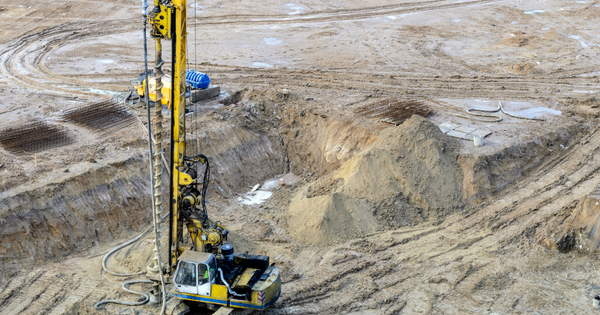
UAE drilling projects operate in a market where scale, timing, and execution discipline matter. The country remains a major oil and gas producer and exporter, and oil and natural gas continue to play a central role in its energy system (International Energy Agency, n.d.). At the same time, the UAE is investing heavily in long-term energy growth, including AED 150 to AED 200 billion by 2030 under the UAE Energy Strategy 2050 (The United Arab Emirates’ Government Portal, 2024).
For oil and gas companies, this creates a practical execution challenge. A drilling plan may be technically sound, the budget may be approved, and the rig may be available, but the success of the project still depends on how well people, equipment, contractors, approvals, site activity, and field decisions come together. That is where local and regional execution support can make a meaningful difference.
Why local execution support matters in the UAE market
The UAE’s upstream plans continue to support long-term oil and gas activity. ADNOC Drilling states that ADNOC plans to increase crude oil production capacity to 5 million barrels per day by 2027, achieve UAE gas self-sufficiency, and produce 1 billion cubic feet per day of unconventional gas (ADNOC Drilling, n.d.).
This level of activity requires more than technical planning. It requires responsive project support that can work close to the field, understand operating priorities, coordinate with different parties, and help keep execution aligned with the project plan.
Local execution support is valuable because drilling projects are not static. Conditions change. Equipment timing moves. Contractors need clarification. Field teams need fast answers. Office teams need accurate information. A regionally responsive partner helps close the gap between planning and real field activity.
Drilling execution is not only about the rig
A drilling project does not begin when the bit starts turning. It begins with readiness. Before drilling starts, teams need to confirm that the well plan, site preparation, contractor schedule, logistics, equipment, reporting process, and decision pathways are aligned.
This is especially important in busy energy markets, where multiple projects may be competing for service capacity, equipment, field personnel, and attention. When support is close to the project, it can help teams respond faster and coordinate issues before they grow into larger delays.
Local execution support helps make sure the project does not become disconnected between office planning and field delivery. The value is not just having people available. The value is having the right experience available when timing, coordination, and decisions matter.
Contractor coordination needs clear ownership
UAE drilling projects can involve several contractors and service providers. Rig crews, directional drilling teams, mud providers, cementing crews, trucking, construction crews, safety personnel, pressure control teams, and reporting systems may all need to work together before and during operations.
Even when each provider is capable, the project can still lose time if roles, timing, handoffs, or communication are unclear. A small coordination gap can affect the next activity, the next contractor, and the next decision.
Strong execution support helps project teams confirm:
- Who owns each stage of readiness
- Which contractors need to be aligned before mobilization
- What equipment must be available before the next phase
- How field issues should be reported
- Who approves key operational decisions
- What information the office team needs from the field
- How lessons should be captured for the next well
These are not just administrative details. They are controls that help the project move with fewer preventable interruptions.
Local support improves response time
In drilling, response time matters. When a field issue appears, the team often needs practical guidance, clear communication, and quick alignment between office and field decision-makers.
Remote or delayed support can still be useful for certain technical reviews, but some execution challenges benefit from regional presence or local responsiveness. A partner that understands the project environment and can work closely with the team can help reduce delays in communication, clarify next steps, and support faster decisions.
This does not mean outside support should take over the operator’s process. It means support should fit into the project structure and help the existing team move with more confidence.
Strong support works with the existing team
For UAE oil and gas companies, a good execution partner should never feel like a replacement for the internal team. The operator’s team already understands the asset, the commercial priorities, the internal process, and the stakeholders involved.
The right support works beside that team. It adds practical drilling experience, project management structure, cost awareness, and field coordination without disrupting the authority of the operator’s people.
This collaborative approach matters because trust and clarity are part of execution. When outside support understands its role, the project team can benefit from added capacity and experience while keeping ownership where it belongs.
Field execution needs practical decision support
Drilling teams often make important decisions under time pressure. Some decisions involve cost. Some involve safety. Some involve equipment, pressure conditions, contractor timing, or whether a planned activity still fits the actual well conditions.
Local execution support can help by giving the team another layer of practical judgment. That support may include reviewing field updates, helping interpret operational issues, coordinating contractor inputs, and making sure decisions are connected to the broader drilling plan.
The goal is not to slow down decisions. The goal is to help the team make decisions with enough context to protect the project.
Cost control is easier when field activity is visible
Cost control in drilling does not happen only during budget approval. It happens throughout execution. Every extra day, late service, unclear scope, repeated delay, or avoidable equipment issue can affect the final well cost.
When execution support is close to the work, the team can track cost exposure more clearly. Field activity, daily reports, contractor performance, invoice details, and operational changes can be reviewed with more context.
This helps project teams understand whether cost movement is expected, avoidable, or connected to a change in scope. It also helps prepare better reviews once the well is complete.
Regional support can help connect planning and lessons learned
A strong drilling project should not lose its lessons after the well is finished. What happens in the field should inform the next plan, the next AFE, the next contractor scope, and the next readiness review.
Local and regional execution support can help capture these lessons because it is closer to the daily work. It can help identify what affected timing, what improved coordination, which assumptions held up, and what should change before the next well.
This is especially valuable for companies managing repeat wells, multi-well campaigns, or projects where lessons can improve the next phase of activity.
What UAE companies should look for in local execution support
Choosing local or regional drilling support should not be based only on availability. The right support should be able to work within the operator’s structure and improve execution without adding unnecessary complexity.
Key qualities to look for include:
- Practical drilling operations experience
- Strong contractor coordination skills
- Clear communication between office and field teams
- Cost and schedule awareness during execution
- Ability to support complex wells and pressure-sensitive work
- Respect for the operator’s internal authority
- Experience with project management and daily reporting
- Ability to identify issues before they become larger delays
- Discipline in post-well review and lessons learned
- Flexible support that works with the existing team
These qualities help the project team move from planning into field activity with better control and fewer avoidable gaps.
How BOAX supports field execution
BOAX supports drilling teams with drilling management, professional engineering, project management, drilling operations, construction services, and managed pressure drilling. For UAE oil and gas companies, this kind of support can help bridge the gap between planning and field execution.
The value is in working with the team already responsible for the project. BOAX can support practical review, coordination, field readiness, cost awareness, and drilling decision-making without replacing the operator’s internal structure.
For teams preparing active drilling programs, complex wells, or multi-contractor work, the right execution support can help keep people, plans, and field activity moving in the same direction.
Final thought
UAE drilling projects operate in a market where energy growth, project scale, and execution quality all matter. A strong plan is important, but field execution depends on how well the team can coordinate people, contractors, equipment, timing, and decisions once the project becomes active.
Local and regional execution support can help operators move with more control, more clarity, and better communication between office and field activity. The best support does not take over the project. It works with the existing team and strengthens the execution process around them.
For UAE oil and gas companies, that kind of support can help turn strong planning into more reliable field delivery.
References
ADNOC Drilling. (n.d.). Strategy. https://adnocdrilling.ae/en/investor-relations/investment-case/strategy
International Energy Agency. (n.d.). United Arab Emirates. https://www.iea.org/countries/united-arab-emirates
The United Arab Emirates’ Government Portal. (2024, December 30). UAE Energy Strategy 2050. https://u.ae/en/about-the-uae/strategies-initiatives-and-awards/strategies-plans-and-visions/environment-and-energy/uae-energy-strategy-2050